Best User Access Review Tools in 2026
User access review tools exist to solve this specific problem. In 2026, modern identity security strategies rely increasingly on automated access review tools.


Businesses in 2026 have to protect themselves from threats, both internal and external. Forgotten permissions on employee accounts that they don’t need anymore are harder to manage across hybrid teams and multiple decentralized systems.
It is also far more common today with remote teams, SaaS applications, and cloud platforms powering organizations. These user access reviews are a major problem for businesses due to regulatory violations of GDPR, HIPAA, and SOX.
User access review tools exist to solve this specific problem. In 2026, modern identity security strategies rely increasingly on automated access review tools. This is done to improve visibility, strengthen governance, and ensure employees, contractors, and third-party users only have the permissions they truly need.
So, to help you understand the necessity of user access review tools, we’ve created this detailed guide. It is complete with our personally tested recommendations of the best user access review tools in 2026.
What Is a User Access Review?
A user access review is the process of periodically validating the user permissions and roles of each employee in an organization. Its goal is to identify users with outdated permissions and either update or remove them. In 2026, both the determination of outdated permissions and assigning or revoking permissions can be automated with user access review tools.
The purpose of user access reviews is to strengthen an organization and maintain tight security controls. It helps prevent the risk of unauthorised access and data exposure.
What Is User Access Review Control?
The policies implemented to maintain governance mechanisms across organizations to validate access permissions are user access review control. In simple words, user access review controls are the rules based on which a user access review tool works. These rules are based on internal policies, regulatory procedures, and the governance mechanisms of an organization.
For internal compliance, user access review control plays an important role. It helps organizations demonstrate accountability. It also reduces the risk of data leaks and unauthorized access. Regulatory standards such as SOX, GDPR, HIPAA, ISO 27001, and SOC 2 often require businesses to implement structured access control and review processes.
User Access Review Solutions
Modern organizations rely on automated and intelligent solutions to simplify access reviews. That’s where user access review control tools and platforms come in. They help strengthen identity governance and automate a majority of the governance requirements. These applications show their most value as the number of users, applications, and permissions grows while maintaining industry compliance and regulations. Here are the most common user access review solutions.
- Identity Governance & Administration (IGA) Tools
IGA tools help organizations automate user access review workflows. These tools are powerful and function across various systems and applications. The primary purpose of these platforms is to centralize identity management, simplify access certifications, and enforce governance policies. Many IGA solutions also support role management, segregation of duties, and an automated provisioning and deprovisioning process.
- Access Certification Platforms
The access certification platforms streamline approval workflows, reviewer assignments, and compliance reporting. The platforms help managers and application owners validate users' permissions efficiently through structured review campaigns and automated reminders. So, basically, it allows for streamlined manual reviews through campaigns and reminders. It also maintains a detailed audit trail for regulatory compliance requirements.
- AI-Powered Access Insights
AI-driven access review solutions use analytics and machine learning to identify risk permissions, unusual behavior, and policy violations. These tools are used in continuous monitoring systems to strengthen identity governance in organizations. These tools are effective and efficient, being able to pick up anomalies, such as excessive privileges, dormant accounts, or suspicious access patterns. The key here is that AI is able to pick up patterns that may have been missed in manual reviews.
- Integration with IAM Systems
Modern access review platforms integrate with Identity and Access Management (IAM) systems. This is done to again provide a centralized identity visibility and enforce stronger access control integrations with directories, cloud services, and enterprise applications. These IAM systems help manage permissions more efficiently across hybrid and multi-cloud environments.
Solutions like Synk.to help organizations automate user access reviews, enforce governance policies, and gain real-time visibility into access risks across modern IT infrastructures. Reducing manual effort and maintaining continuous compliance is a major part of identity environments in 2026. This makes user access review control tools like Synk.to essential for businesses in 2026.
Akeyless: Secretless Identity & Access Platform
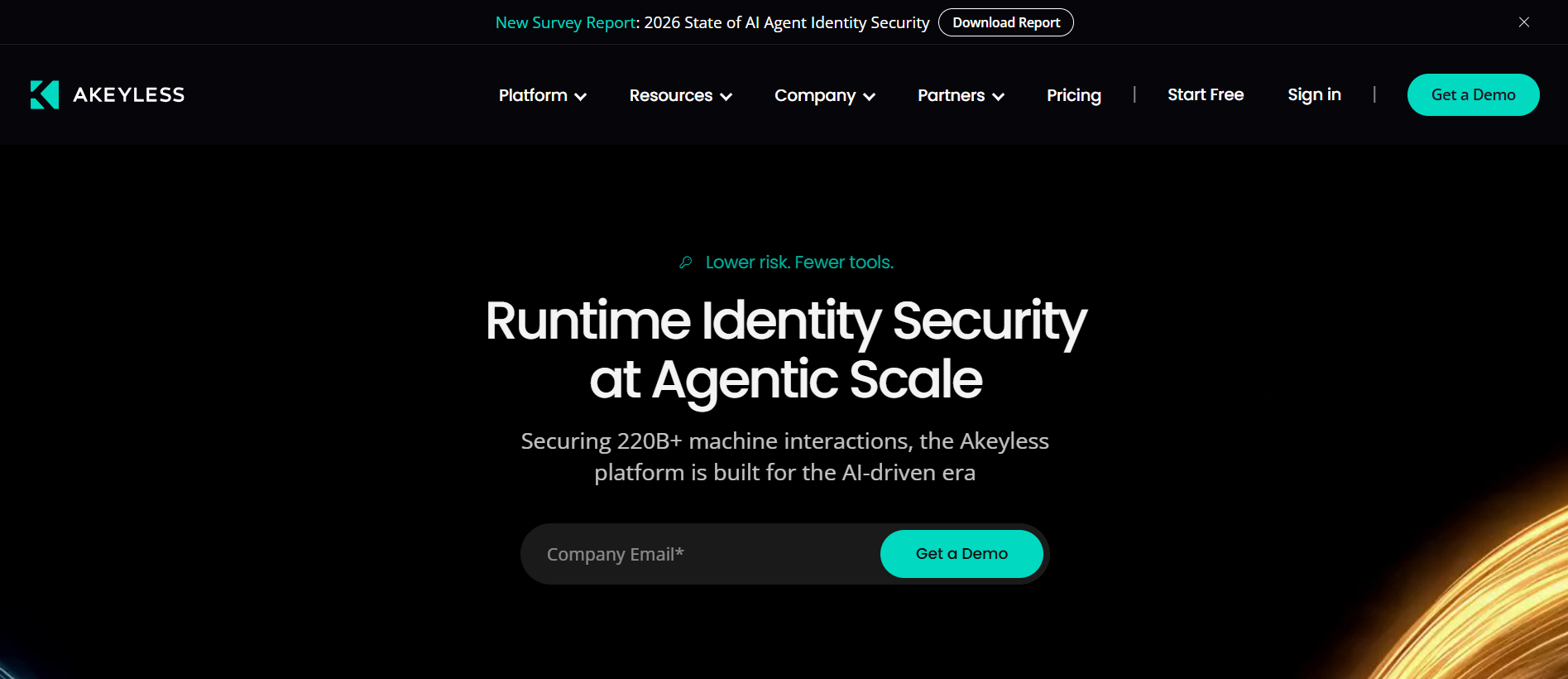
Modern organizations increasingly rely on automated identity and access platforms to reduce security risks. Akeyless is a SaaS-first platform focused on secretless authentication and dynamic credential management.
The platform offers credential management for applications, APIs, machines, and workloads. The way Akeyless functions is by relying on short-lived, automatically rotated identities to strengthen security and reduce credential exposure.
Key Features
- Secretless authentication for the applications and workloads
- Dynamic secrets and automatic credential rotation
- API and machine identity protection
- Role-based access controls and policy enforcement
- Real-time access, visibility, and audit logging
Pros
- Scalable architecture supports hybrid and multi-cloud deployments. This is very useful for enterprise businesses with large teams.
- It simplifies compliance and audit management as it helps maintain audit trails and accountability of access permissions throughout the system.
Cons
- Akeyless is a complex enterprise-grade software, and its advanced configurations may require technical expertise
- Another problem when it comes to using Akeyless is that its advanced features are often hidden behind higher-priced tiers
Ideal For: Akeyless is ideal for enterprises. It also works well for DevOps teams and cloud-native organizations.
Doppler: Developer-friendly Secrets Sync

Doppler is a secrets management platform designed for engineering and DevOps teams. It helps organizations manage credentials across development, staging, and production environments.
Much like Akeyless, Dopper helps organizations eliminate hardcoded secrets in applications, CI/CD pipelines, and SaaS integrations. It also improves visibility and access controls.
Key Features
- Role-based access controls for teams
- Secure syncing of API keys, tokens, and credentials
- Audit logs and activity tracking
- Automatic secret injection into applications and CI/CD pipelines
- Centralized secrets management across environments
Pros
- The developer-friendly interface of Doppler is a big win for engineering and DevOps teams. It creates a familiar interface for them to use, which helps with tool adoption.
- Strong integration support for DevOps workflows ensures easy integration with cloud providers, GitHub, Kubernetes, Docker, and other popular developer tools.
Cons
- Advanced enterprise controls may require premium plans. This is a problem for businesses that want to try the software fully before committing.
- Doppler has limited offline functionality. This is a problem for teams that require both offline and online access review capabilities.
Ideal For: Doppler is ideal for engineering and software development teams. It helps DevOps engineers and cloud-native organizations.
Infisical: Open Source Secrets Control
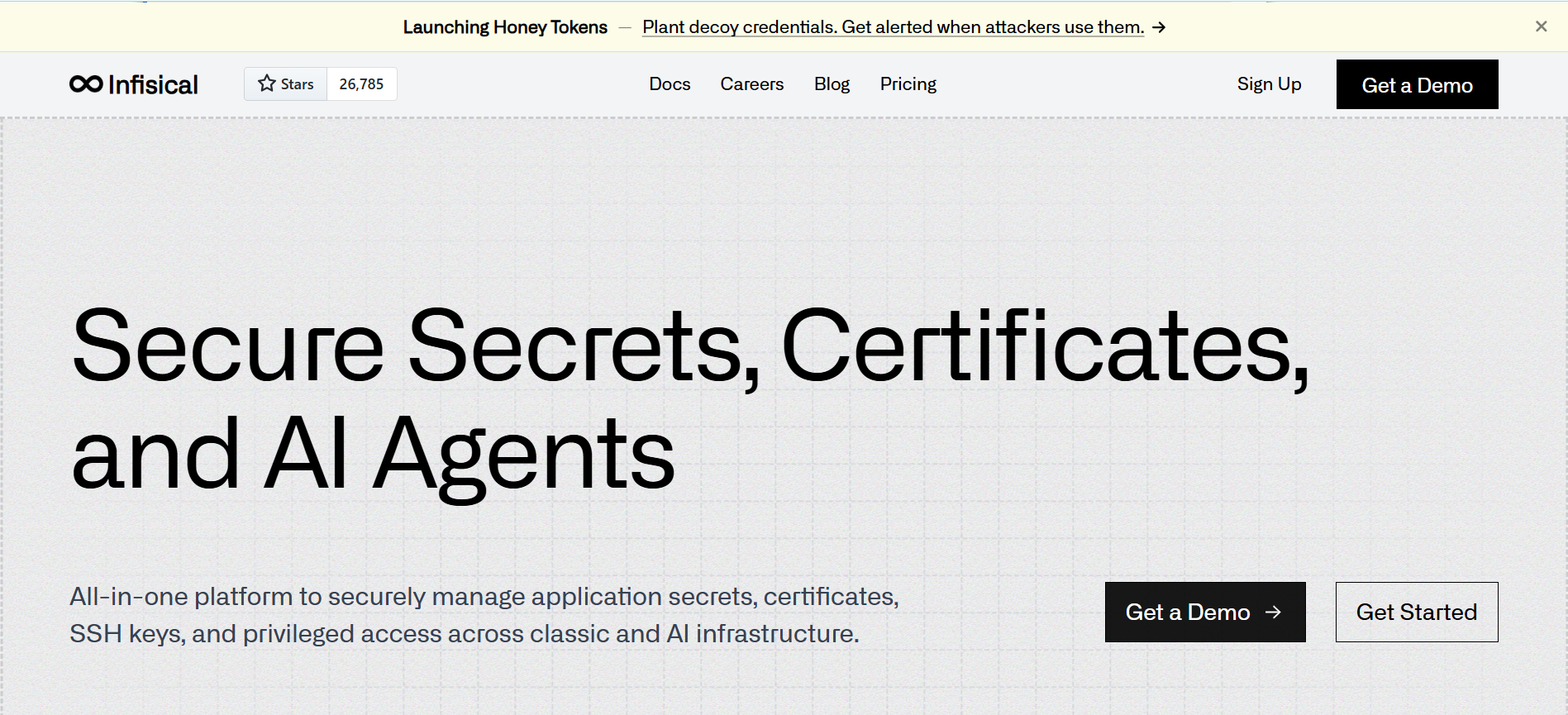
Infisical is an open-source secrets management platform. It is a fast-growing platform that helps organizations securely manage secrets, API keys, certificates, and machine credentials. This platform can be self-hosted, which ensures great control over non-human entities (NHIs), such as service accounts and automated workloads, when you use Infisical.
Key Features
- Self-hosted, cloud-hosted, and hybrid deployment options
- Open-source secrets and credential management
- Audit logging and access activity monitoring
- Role-based access controls and permission management
- Integration with Kubernetes, Docker, GitHub, and cloud platforms
Pros
- Open-source software provides excellent flexibility to users with strong customization options.
- Self-hosting support is great for data security, and it also helps teams comply with both internal and external regulations.
Cons
- Self-hosted deployments will require ongoing DevOps infrastructure management, which may be a struggle for startups.
- Infisical is still relatively new and has a smaller community of users compared to some larger enterprise-level IAM vendors.
Ideal For: Infisical is ideal for startups, engineering teams, and DevOps environments. The open-source or self-hosted secrets management offers extensive flexibility and control over machine identities and application credentials.
Cerbos: Fine-Grained Access Control for Machines
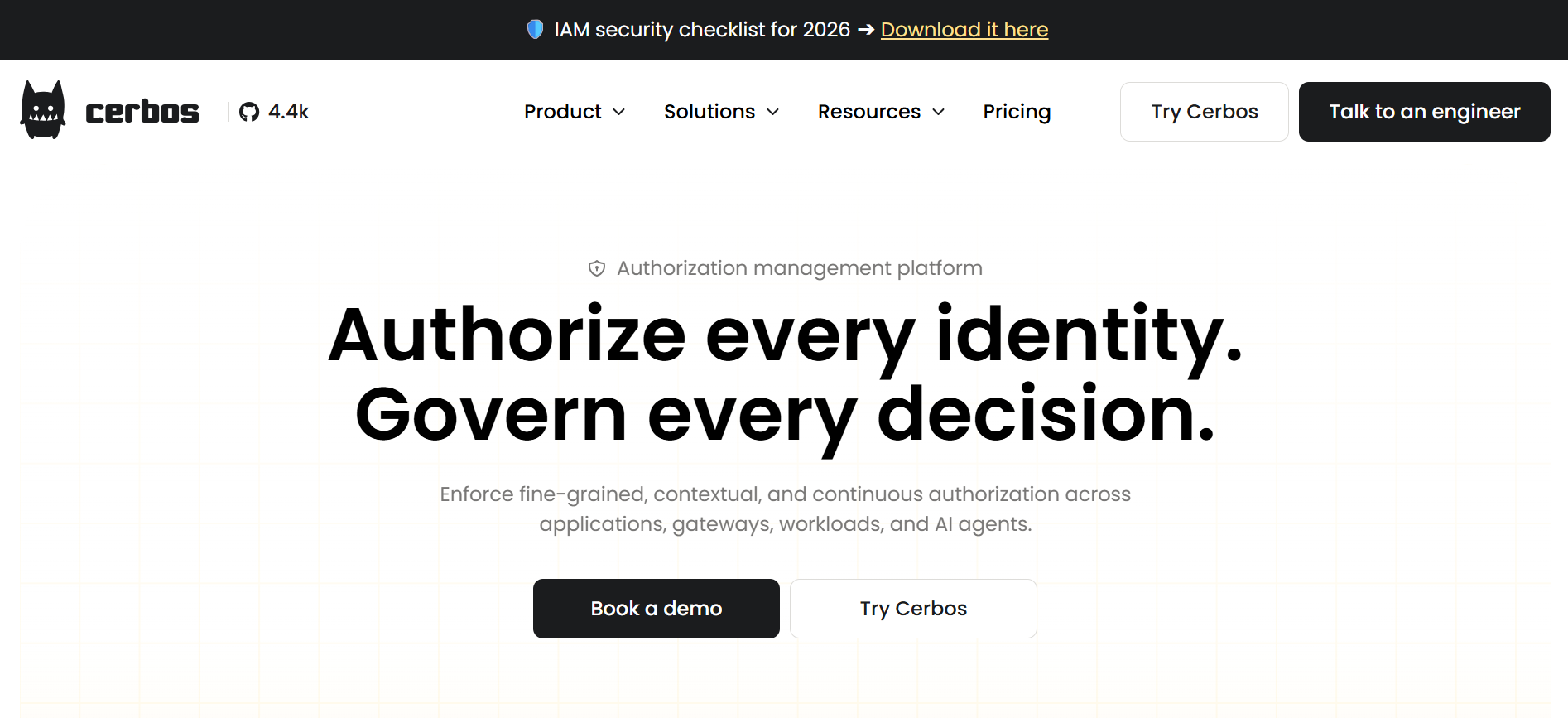
Cerbos is a policy-based authorization platform. It is designed to help organizations enforce fine-grained access controls across APIs, applications, services, and machine workloads.
The purpose of Cerbos is to help teams implement least privilege access models, especially for NHIs. It functions in distributed and cloud-native environments without embedding authorization logic directly into application code.
Key Features
- Real-time policy evaluation and enforcement
- Support for RBAC and attribute-based access control (ABAC)
- Fine-grained permission management for NHIs
- Policy-based authorization and access control
- Integration with Kubernetes, cloud platforms, and modern application stacks
Pros
- Cerbos makes a flexible and scalable authorization architecture.
- Helps teams enforce least privilege access consistently, especially for NHIs.
Cons
- Initial setup of Cerbos can take time and is quite complex to manage, especially for smaller teams.
- Cerbos is focused primarily on authorization rather than full identity governance. This makes it a niche solution rather than an end-to-end solution.
Ideal For: Cerbos is ideal for engineering teams, SaaS platforms, and enterprises. It offers fine-grained authorization and scalable access control for APIs, workloads, and machine identities.
Permit.io: Scalable Authorization for SaaS Apps

Permit.io is an authorization-as-a-service platform that’s built for SaaS companies. It implements scalable and fine-grained access control across applications, APIs, bots, and automated workflows.
The platform supports both RBAC and attribute-based access controls (ABAC). This allows organizations to dynamically manage permissions while simplifying authorization management.
Key Features
- RBAC and ABAC-based authorization models
- Fine-grained permission management for SaaS applications
- API authorization and machine identity access control
- Real-time access decision engine
- Audit logs for compliance reporting
Pros
- Simplifies authorization management for SaaS platforms. This is a very useful feature for the engineering teams of SaaS companies.
- Helps enforce least privilege access across automated workflows. This helps teams enforce automated user access review management.
Cons
- Much like Cerbos, Permit.io is also focused on authorization rather than complete IAM functionality. This also makes it a niche tool rather than an end-to-end solution.
- Enterprise-scale deployments may involve higher implementation complexity. This means teams will require significant DevOps infrastructure.
Ideal For: Permit.io is best suited for SaaS companies, engineering teams, and cloud-native organizations.
Oso: Embedded Authorization for Developers
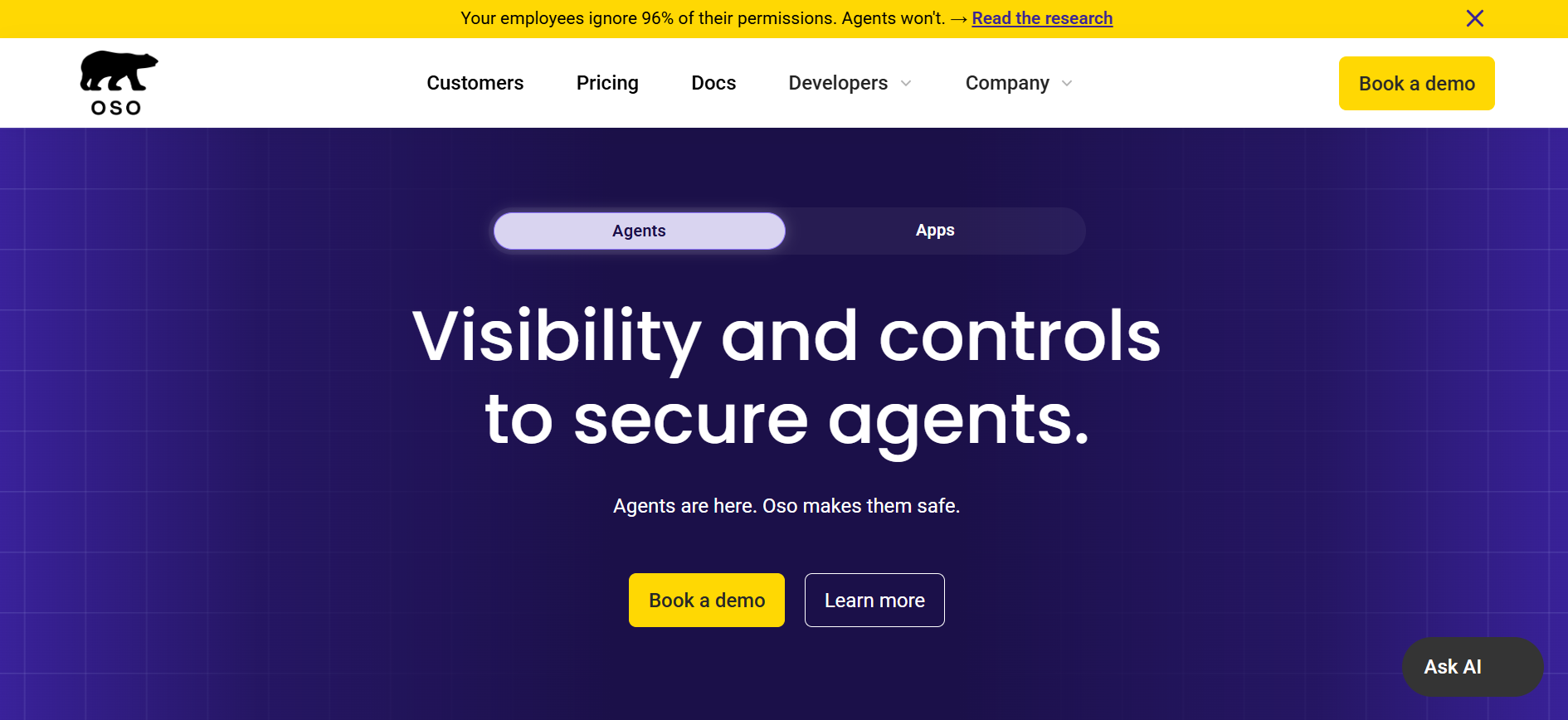
Oso is a developer-focused authorization framework. It allows teams to build and manage access control logic directly within their applications. Oso is designed for modern software environments. So, the platforms help organizations implement fine-grained authorization for both human users and non-human identities.
Key Features
- Policy-as-code approach for flexible permission control
- Centralized authorization logic management
- Fine-grained access control using RBAC and custom policies
- Embedded authorization framework for applications and APIs
- Real-time authorization decision-making and policy enforcement
Pros
- A highly flexible and developer-friendly authorization framework helps developers and engineering teams adopt Oso.
- Strong support for modern application architectures ensures better use case flexibility and deployment options.
Cons
- Oso is a developer-friendly framework, which means it requires development expertise for implementation and maintenance.
- It also has a learning curve, which may make it difficult for teams to adopt the framework.
Ideal For: Oso is ideal for software engineering teams and SaaS companies. It offers scalable access control for users, services, and machine identities.
Synk.to: Modern SaaS Access Review Automation

Synk.to is an emerging market player in the identity and access management platform market. It focuses on helping organizations modernize access reviews with automated governance processes and improved security visibility.
It works across complex SaaS and cloud environments. The platform is designed to simplify identity management by connecting systems, synchronizing user access, and enforcing access policies through automated workflows.
Key Features
- Automated User Access Review: The automation features help organizations ensure they have continuous monitoring of user access and identify orphan and uncontrolled accounts.
- Centralized Visibility: The centralized view ensures app owners and managers can get a complete top-down view of all user permissions and access rights across different platforms.
- Audit Logs: Synk.to maintains adequate audit logs for compliance reporting, including ISO 27001, HIPAA, and SOC 2 compliance.
- Integration Capabilities: As a modern platform, Synk integrates easily with modern IAMs, cloud, and enterprise systems.
- Real-time Access Risk Monitoring: Real-time access risk monitoring and policy enforcement help organizations prevent internal threats and even monitor malicious use of access.
Pros
- Synk.to simplifies the process of complex access review and identity governance processes with automation.
- Helps reduce manual admin workload with automated user access reviews and even automated reminders where manual access checks are required.
- Strong support for compliance and audit readiness. Synk efficiently helps businesses stay compliant with external and internal regulations with detailed audit logs.
Cons
- Synk.to has fewer integrations comparing to enterprise solutions.
Ideal For: Synk.to is ideal for organizations seeking to modernize access review processes with automation. It is best suited for SaaS and cloud IT environments that are scaling and require an end-to-end IAM solution.
FAQs
What is a user access review?
As the name suggests, a user access review is a process of periodically evaluating user permissions. It checks the access rights of users to ensure every user only has the permissions and access that they really need. It helps organizations identify unnecessary, outdated, or excessive permissions that could create security risks.
Why are user access reviews important?
User access reviews are important because they help organizations protect themselves against internal and external threats. Unnecessary or outdated permissions could be misused, and they can jeopardize the compliance regulations of a business. This is why user access reviews are important to prevent compliance breaches in increasingly complex IT environments.
How often should the user access reviews be performed?
The frequency of user access reviews depends on organizational risk levels, industry requirements, and compliance obligations. In general, teams organize user access reviews on a quarterly, semi-annually, or annual basis. Organizations where compliance requirements are stringent, they enforce continuous user access reviews.
What is the difference between an access review and an access audit?
An access review focuses on validating whether current user permissions are still appropriate for the user’s current role. An access audit, on the other hand, examines policies, records, and control processes to verify compliance and identify governance gaps.
What are the biggest challenges in user access reviews?
The biggest challenges in user access reviews are the manual processes it undertakes and the risk of human error. Reviewer fatigue is real when reviewing high volumes of user roles and entitlements. The lack of visibility across systems and inconsistent access policies are also crucial challenges in user access reviews.
What tools are used for user access reviews?
The tools that are used include:
- Identity Governance & Administration (IGA) platforms
- Access certification tools
- IAM solutions
- AI-driven security analytics platforms
- Automated governance systems
What is role-based access control (RBAC)?
RBAC is an efficiency hack for access management. It means everyone in the same role on the job will have the same permissions and access levels. This process essentially makes the permission access control a role-based model rather than an individual user model.
How does Synk.to help with user access reviews?
Synk.to helps organizations modernize user access reviews by automating governance workflows. It also provides real-time visibility into access risks and provides a top-down view of the access provided to all users. Synk also synchronizes identities across systems.
What is the future of user access reviews?
The future of user access reviews is focused on automation, continuous monitoring, AI-driven risk analysis, and Zero Trust security models. The future also envisions organizations wholly adopting intelligent platforms that can provide real-time access, visibility, automated policy enforcement, and continuous access validation across cloud and hybrid environments.